There is a particular kind of luxury in being told to do nothing. No schedule packed with activities, no buffet, no inbox. Just a quiet room, gardens to walk in, and days shaped around rest. That is the proposition at Buchinger Wilhelmi, the fasting retreat on the shores of Lake Constance, Germany, that has been running since 1953, with a second retreat in the hills above Marbella, Spain, since 1973.
The name comes from Otto Buchinger, who developed his fasting method in the 1920s and later founded the retreat at Uberlingen with his daughter Maria and her husband Helmut Wilhelmi. What began as one family's approach to rest and simple living became, over the decades, the best-known fasting address in Europe. Guests return year after year, many of them alone, many of them simply seeking a pause.
This guide describes the experience as travelers encounter it: the two settings, the rhythm of a day, the famous fasting table, the program lengths, and what a stay typically costs. Prices are hedged throughout because retreat rates shift with season and room category, so verify current rates before booking.
A Quiet Tradition Since 1953
The story starts with Otto Buchinger, a German who became convinced in the early twentieth century that periods of voluntary fasting, taken with rest and care, belonged at the center of a healthy life rather than at its fringes. He wrote about the method, refined it over the years, and in 1953 opened the doors at Uberlingen, on Lake Constance near the Swiss border, together with his daughter and son-in-law.
The timing mattered. Postwar Europe was discovering leisure travel, and Buchinger offered something unusual: a beautiful place to go and deliberately do less. The idea traveled by word of mouth, which is still how most guests find it. In 1973 the family opened a second retreat in Marbella, on Spain's Costa del Sol, giving the tradition a southern, sunlit counterpart.
Seven decades on, the format has barely changed, and that is the point. In a wellness world that reinvents itself every season, Buchinger Wilhelmi sells continuity: the same lake, the same gardens, the same unhurried days.
Two Settings, One Philosophy
The two retreats share a philosophy but offer very different backdrops, and choosing between them is mostly a question of atmosphere and convenience.
Uberlingen, on Lake Constance, is the original. Set in parkland above the lake in southern Germany, it has a grand, old-European feel: mature gardens, long views across the water to Switzerland, and a sense of history in the buildings themselves. Guests who love northern light, lakeside walks, and a certain formality tend to choose it.
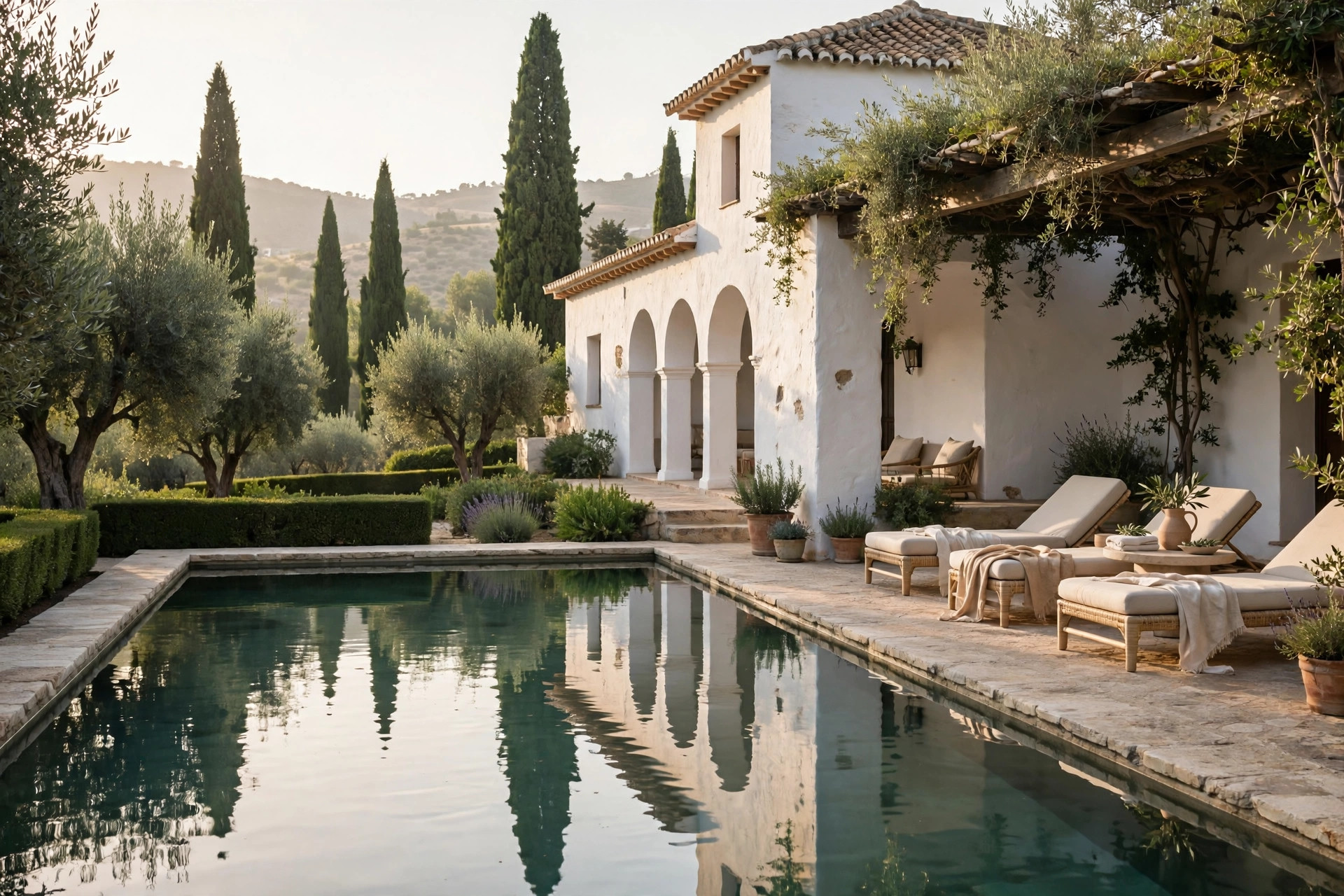
Marbella, in Andalusia, sits in the hills above the Mediterranean, surrounded by subtropical gardens. The light is warmer, the climate milder for much of the year, and the mood slightly more relaxed. Travelers combining the retreat with time in southern Spain, or simply preferring sunshine, tend to choose it.
The daily rhythm is the same at both. Pick the setting that appeals to you, and the experience will take care of the rest. Our broader comparison of the world's leading longevity clinics places Buchinger Wilhelmi alongside very different kinds of stays, which helps clarify what it is and what it is not: a retreat built around rest and simplicity, not a resort built around abundance.
What a Day Actually Feels Like
A day at Buchinger Wilhelmi is structured but unhurried, and the structure is part of the appeal. Mornings typically begin quietly, with herbal tea and time outdoors. Walks, in the gardens or the surrounding landscape, are a central part of the day, taken at an easy pace rather than as exercise.
Midday brings the fasting table: a warm vegetable broth or a fresh vegetable juice, taken slowly. Afternoons are for rest, properly so. Guests nap, read, sit in the gardens. There are optional spa appointments, such as massage, for those who want them, and quiet spaces for reflection. Evenings wind down early. The whole day is designed to remove stimulation rather than add it.
One of the most remarked-upon features is the atmosphere of shared quiet. Many guests come alone, and the retreat gently encourages disconnection: less phone, less news, less noise. Conversations in the dining room tend to be soft. Nobody is performing wellness for an audience. If you have ever wanted to find out what your mind does with a week of unscheduled time, this is a thorough way to find out.
The Fasting Table: Broths, Teas, and Juices
The food, or rather the deliberate near-absence of it, is the heart of the Buchinger experience. During fasting days, the menu is spare and ritualized: herbal teas through the day, a small amount of honey in the morning, and at midday and evening a choice of fresh vegetable juice or warm vegetable broth. Water is always available. That is the whole of it, served with the same care a fine restaurant gives a tasting menu.
What surprises first-time guests is how much attention goes into something so simple. The broths are made fresh, the teas are blended for the house, and the juices change with what is in season. Eating, or rather drinking, becomes a small ceremony rather than a refueling stop.
Then comes the part guests talk about most: the return to solid food. Fasts at Buchinger Wilhelmi end gradually, with simple, carefully prepared meals reintroduced over several days. After days of broth, a plain piece of fruit or a simple vegetable dish tastes extraordinary, and the retreat treats this transition as an experience in its own right rather than an afterthought. Many guests say the final days, learning to eat slowly and simply again, stay with them longer than the fast itself.
Programs and Lengths
Stays are organized by length, and the names have become part of the brand's vocabulary. Longer stays mean a deeper experience of the rhythm, while shorter ones work as an introduction.
| Program | Length | The shape of it |
|---|---|---|
| Relaxed | 3 nights | A long weekend of rest and a first taste of the fasting rhythm |
| Time Out | 7 nights | The classic week: enough time to settle into the quiet |
| Compact | 10 nights | The most-booked length, a full arc from arrival to refeeding |
| Classic Light | 14 nights | Two unhurried weeks for those who want more |
| Classic | 21 nights | The traditional extended stay, for devoted return guests |
| Classic Royal | 28 nights | The full month, the deepest version of the experience |
First-time guests most often choose the seven or ten-night options. Three nights gives you the atmosphere; ten nights gives you the arc. Anything beyond that is for people who already know they love it.
Who Books a Fasting Retreat
The guest list is less exotic than you might expect. Yes, there are well-known names who have passed through over the decades, but the typical guest is closer to home: a professional running on empty, someone between chapters of life, a traveler who has done the spas and the beach clubs and wants something quieter.
It is not a social scene. People come to be left alone, politely, in beautiful surroundings, and the retreat is designed to make solitude comfortable rather than awkward. Couples come too, often spending companionable silent days together, and friends sometimes book as a pair.
It is also not for everyone, and the retreat is upfront about that in its own materials. This is a fasting stay, which means days without solid food by design. Anyone who finds that idea alarming rather than appealing should choose a different kind of retreat. Our guide to what luxury wellness retreats really cost can help you compare the fasting model against resort-style alternatives, and the Aman wellness immersions offer a useful contrast: structure and indulgence, rather than structure and simplicity.
What It Costs and What Is Included
Buchinger Wilhelmi sits firmly in the luxury bracket, and pricing reflects the setting, the staffing, and the sheer length of the stays. As a rough orientation, a ten-night Compact program typically starts from around 4,000 EUR per person before accommodation, with longer programs and higher room categories rising well above that. These are illustrative figures, not quotes: verify current rates before booking, as seasonal pricing and room tiers move the total considerably.
What the program rate generally covers: accommodation, the daily rhythm of guided activities, the fasting table (broths, teas, juices), and the refeeding meals at the end. Additional spa appointments beyond what is included are extra, as are premium room categories. Transfers and extras follow the usual luxury-retreat pattern.
The honest value test is simple. You are paying for time, setting, and the removal of every decision except when to walk and when to rest. If that sounds like exactly what you need, few places do it with this much heritage behind it. If you want variety, entertainment, or indulgence, your money goes further elsewhere. The SHA Wellness Clinic in Spain offers an interesting middle path: a structured, health-oriented week with considerably more on the schedule.
A Short, Honest Note
A fasting retreat is not for everyone. If you are pregnant, managing a health condition, taking regular medication, or have a history of disordered eating, extended fasting is not a casual experiment: sit this one out. This guide describes a travel experience, not health advice.
Frequently Asked Questions
How long is the shortest program at Buchinger Wilhelmi?
The shortest option is the Relaxed program at three nights, essentially a long weekend. It gives you the setting, the fasting table, and the rhythm, but most first-time guests choose seven or ten nights to experience the full arc including the gradual return to eating.
What do you actually have during the fast?
Herbal teas throughout the day, a small amount of honey in the morning, and at midday and evening a choice of fresh vegetable juice or warm vegetable broth, plus water. Everything is prepared fresh daily, and the simplicity is deliberate: the retreat treats these few elements with full culinary attention.
Which setting should I choose, Uberlingen or Marbella?
Choose by atmosphere and logistics. Uberlingen offers the historic original on Lake Constance, with gardens, lake views, and northern European formality. Marbella offers Andalusian hills, subtropical gardens, and milder weather. The daily rhythm is the same at both.
Do I need fasting experience before I go?
No. Many guests have never fasted before arriving. The programs are designed for newcomers as well as return visitors, and the gradual structure, from arrival through the fasting days to the refeeding phase, walks you through the whole experience.
What happens when the fast ends?
The return to solid food is gradual and treated as part of the program, not an afterthought. Simple, carefully prepared meals are reintroduced over several days, and many guests describe this phase as one of the most memorable parts of the stay.
Can I work or stay connected during my stay?
You can, but the retreat gently discourages it. The atmosphere favors disconnection: quiet dining rooms, guests who have come to be alone with their thoughts, and days with little scheduled beyond walks and rest. If you need to stay plugged in, a shorter stay may suit you better.