Red light therapy has gone from clinical curiosity to home wellness staple in under a decade. Panels now range from $100 handheld wands to $5,000 full-body arrays, and the marketing runs well ahead of the evidence — every device seems to promise better skin, faster recovery, less pain, better sleep, and more, usually with the same handful of cited studies.
This guide is the corrective. It covers what the devices are, what to actually compare when shopping, what results are realistic, and where the safety boundaries are. No miracles promised, no products pushed.
What Red Light Therapy Is
Red light therapy — also called low-level light therapy or photobiomodulation — exposes skin to specific wavelengths of red and near-infrared light from LED arrays. The two bands you'll see referenced constantly:
- Red light, roughly 630–660nm: visible red light, absorbed near the skin surface. Most associated with skin and cosmetic applications.
- Near-infrared, roughly 810–850nm: invisible to the eye, penetrates deeper into tissue. Most associated with muscle, joint, and recovery claims.
The proposed mechanism: light-absorbing molecules in cells (primarily in mitochondria) respond to these wavelengths in ways that may influence cellular energy processes. That's the honest summary — the mechanism is plausible and has some laboratory support, but the jump from cellular effects to the dramatic outcomes in marketing materials is where things get speculative.
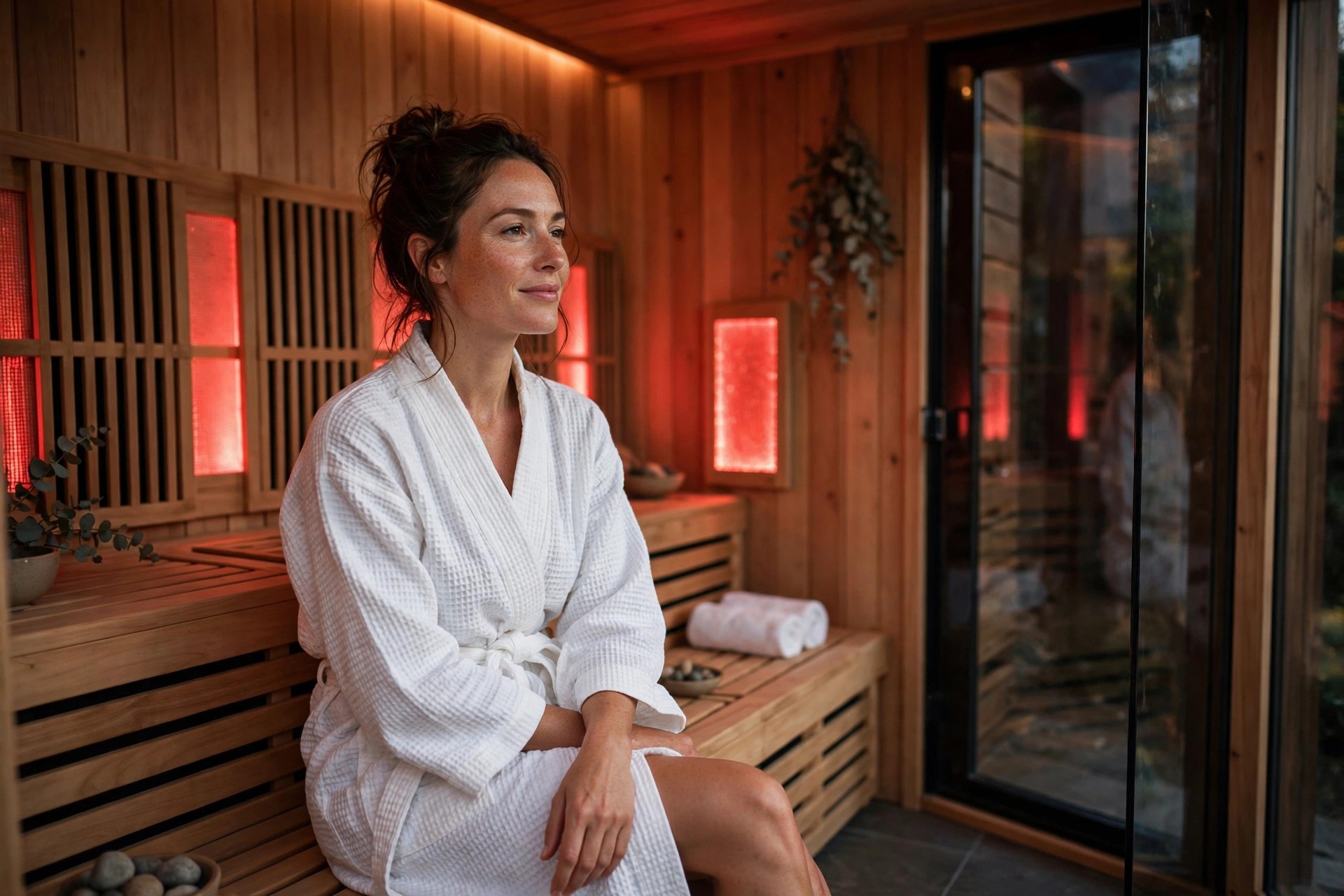
It's worth noting what this is not: it's not UV tanning, not a laser in the medical sense, and not the same thing as sitting in an infrared sauna (which heats you; red light panels produce very little heat).
Form Factors: From Wands to Beds
Handheld wands and spot devices ($80–$300): Small, targeted, slow. Fine for a single knee or a patch of skin; impractical for anything larger. The honest use case is narrow.
Masks ($150–$500): Face-shaped LED arrays for cosmetic use. Convenient for the one job they do. Quality varies enormously.
Small panels ($200–$600): Roughly a foot square. Cover a face, a joint, or half a torso per session. The most common starting point.
Half-body panels ($500–$1,500): Two to three feet tall. Cover a torso or full leg in one position. The sweet spot for most home users with general goals.
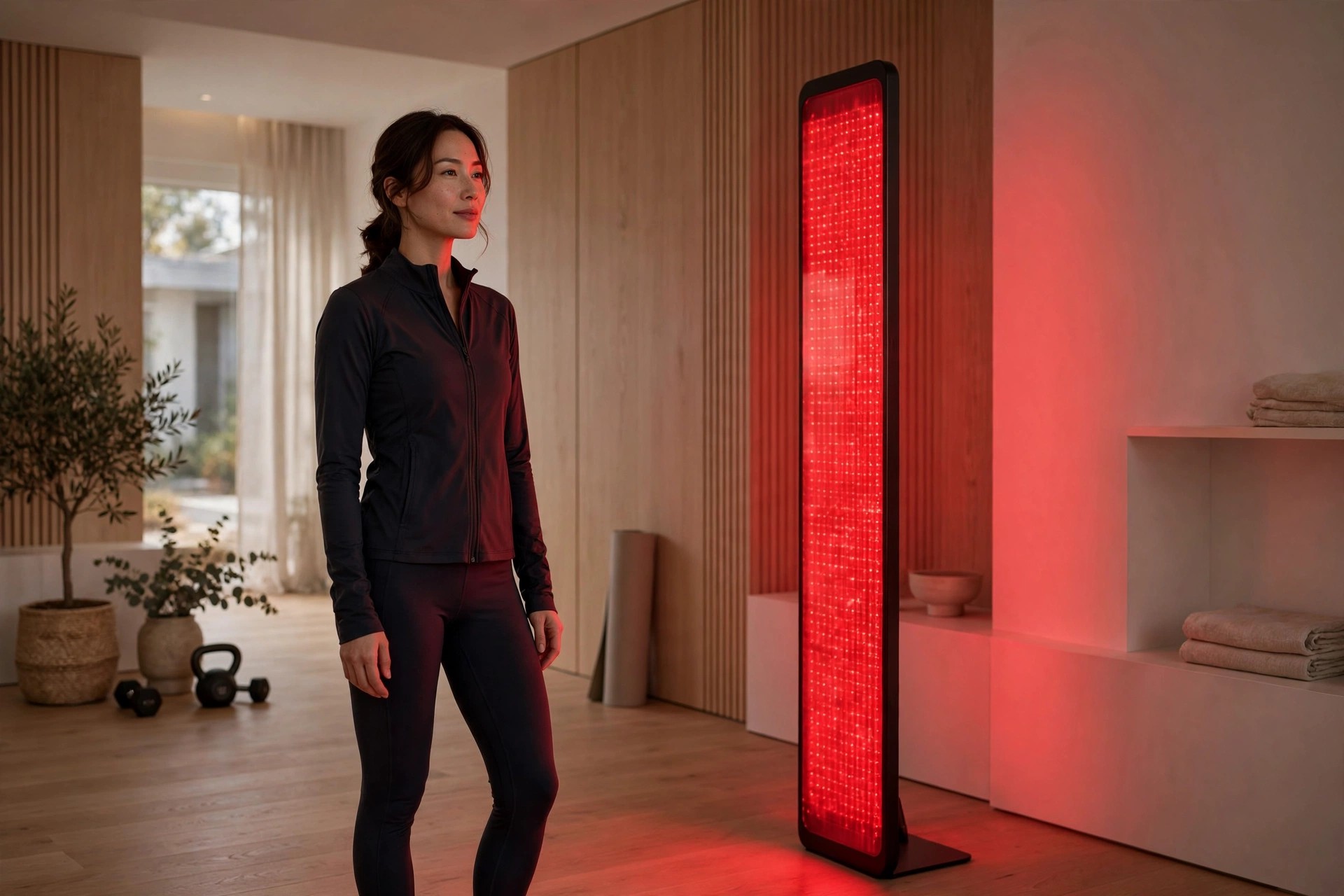
Full-body panels ($1,500–$5,000+): Four to six feet tall, stand-up use, whole body in 10–20 minutes. The premium home option — and the price where you should be most skeptical of marginal gains over a half-body panel used consistently.
Beds and pods ($20,000+): Commercial-grade, whole-body, lie-down units. Not a home purchase for most people; mentioned here so you recognize the category when a wellness studio offers sessions.
Bigger isn't automatically better — it mostly means less repositioning and shorter sessions. A smaller panel used diligently beats a large panel gathering dust.
What to Look For When Shopping
Marketing specs are a minefield. Here's what actually matters, in order:
1. Published, specific wavelengths. Reputable manufacturers state exact wavelengths (e.g., 660nm red, 850nm near-infrared). Vague claims like "clinically proven wavelengths" or "optimal healing spectrum" without numbers are a red flag. The commonly studied bands are 630–660nm and 810–850nm — a device should operate in at least one of them.
2. Irradiance at a stated distance. Irradiance — light power per area, measured in mW/cm² — determines dose, and dose determines everything. But the number is meaningless without the distance it was measured at, because light intensity falls off rapidly with distance. "100 mW/cm²" measured at the panel surface versus at 6 inches are completely different claims. Manufacturers who publish irradiance with distance are being transparent; those who don't are asking for trust they haven't earned.
3. Treatment area versus your goal. Match the device size to what you'll actually treat. Full-body ambitions with a handheld wand mean 45-minute sessions you'll abandon in a month. Be realistic about the largest area you'll treat regularly.
4. Build quality and cooling. Higher-powered panels generate heat and need fans or heat sinks. Check for solid construction, quiet-ish cooling, and a real warranty (1–3 years is standard; longer is better). At these prices, a company with reachable support matters.
5. Eye protection included. Any device powerful enough to matter is bright enough to warrant eye protection. Goggles or glasses in the box is a good sign; their absence suggests the manufacturer hasn't thought about safety.
6. Skepticism toward extras. Pulsing modes, app connectivity, and proprietary "protocols" are mostly differentiation theater. They don't meaningfully change outcomes. Don't pay a premium for them.
Realistic Expectations
Here's the honest evidence picture, roughly ordered from most to least supported:
Skin appearance (fine lines, wrinkles): The best-supported cosmetic use. Several randomized trials show modest improvements in wrinkle depth and skin texture with consistent use over 8–12 weeks. "Modest" is doing real work in that sentence — think subtle improvement, not transformation.
Wound healing and skin recovery: Some clinical support, mostly in professional settings. Home devices are weaker than clinical ones, so temper expectations accordingly.
Muscle soreness and perceived recovery: Mixed. Some small trials show reduced perceived soreness; effects on measured performance are inconsistent. Athletes' enthusiasm runs ahead of the data here.
Joint and muscle pain: Mixed to thin. Some positive small trials, plenty of inconclusive ones. Plausible for mild, localized discomfort; not a substitute for diagnosis and treatment of real injuries.
Sleep, fat loss, testosterone, cognition, hair regrowth: Thin to speculative for home devices. These are the claims that sell panels, and they're the ones with the weakest support. Hair regrowth has some dedicated-device evidence (laser caps studied specifically for that purpose), but general panels marketed for everything-under-the-sun should be viewed skeptically.
The pattern across all of it: effects, where they exist, are modest, require weeks of consistent use (typically 3–5 sessions per week, 10–20 minutes each), and come from devices used at proper distance and duration. There is no 5-minute miracle protocol, regardless of what the product page implies.
Safety and Who Should Be Careful
Red light therapy has a reassuring safety profile in the studied uses — it's non-invasive, non-thermal at normal doses, and doesn't damage skin the way UV does. But "generally safe" isn't "safe for everyone in all circumstances":
Eyes: Don't stare into the LEDs. Near-infrared is invisible, which makes it easy to underestimate exposure — you won't blink or look away from light you can't see. Wear the provided eye protection, or at minimum keep eyes closed and don't face the panel directly at close range.
Photosensitizing medications: Some drugs (certain antibiotics, retinoids, and others) increase light sensitivity. If you take prescription medication, check with your doctor or pharmacist before starting.
Pregnancy: Insufficient data — the standard and correct advice is to avoid it or discuss with your provider first.
Active skin cancer or suspicious lesions: Don't shine bright therapeutic light on anything undiagnosed. Get skin concerns checked by a dermatologist, period.
Overuse: More isn't better. Excessive sessions or very close-range use can cause temporary skin redness or irritation. Follow the manufacturer's distance and duration guidance; doubling the dose doesn't double results.
None of this is meant to alarm — for healthy adults using a quality device sensibly, the risk profile is low. It's meant to replace the marketing impression that the devices are so safe that no caution applies.
Cost Tiers and the Value Question
| Tier | Price range | What you get |
|---|---|---|
| Handheld / spot | $80–$300 | Targeted small areas only |
| Masks | $150–$500 | Face-only cosmetic use |
| Small panels | $200–$600 | One body region per session |
| Half-body panels | $500–$1,500 | Torso or full leg; the practical sweet spot |
| Full-body panels | $1,500–$5,000+ | Whole body, minimal repositioning |
The value question is really a consistency question. A $400 panel used 4 times a week for a year costs about $2 per session and may produce the modest skin or recovery effects the evidence supports. A $3,000 panel used twice and shelved costs $1,500 per session and produces nothing. Buy the device you'll actually stand in front of regularly — which usually means the one sized for your primary goal, not the most impressive one.
How People Actually Use Them
The effective pattern, distilled from both studies and long-term users: 3–5 sessions per week, 10–20 minutes per area, at the manufacturer-recommended distance, for at least 8–12 weeks before judging results. Consistency matters more than device tier — the studies showing benefits all used regular, sustained protocols.
Practical tips: schedule sessions like workouts (habit-stacking on an existing routine works); treat one goal at a time rather than waving the panel vaguely at your whole body; keep a simple log for the first two months so you're judging actual change rather than impression; and maintain realistic before/after photos for cosmetic goals — human memory is generous, cameras aren't.
If you're building a broader home recovery setup, red light panels pair naturally with the heat and cold modalities covered in our contrast therapy guide — many people stack a light session with their sauna or plunge routine.
Frequently Asked Questions
Does red light therapy actually work?
For certain narrow uses — modest improvements in skin appearance, some aspects of perceived recovery — there's genuine if modest evidence from randomized trials. For the broader menu of marketed benefits (fat loss, cognition, hormones, systemic anti-aging), the evidence is thin to nonexistent. It "works" in the limited sense the data supports, not in the expansive sense the ads imply.
How long before I see results?
For cosmetic goals, studies typically ran 8–12 weeks of consistent use (3–5 sessions per week) before measuring results. Anyone promising visible change in days is selling, not informing. For perceived recovery effects, some users report noticing differences within a couple of weeks — but subjective early impressions are unreliable, so give it the full two to three months before judging.
Is it safe for my eyes?
Treat it with respect. Don't stare into the LEDs, wear eye protection (especially with high-irradiance panels), and remember that near-infrared wavelengths are invisible — you can't rely on discomfort to warn you. With basic precautions, eye risk is minimal; without them, you're needlessly gambling with bright light sources inches from your face.
Is red light therapy the same as an infrared sauna?
No, though the confusion is understandable. Infrared saunas heat your body with radiant warmth — the experience is heat, sweat, and elevated heart rate. Red light panels produce very little heat; the proposed mechanism is light interacting with cells, not thermal stress. They're different modalities with different evidence bases. Our infrared versus traditional sauna comparison covers the sauna side in detail.
Can I overdo it?
Yes — more is not better. Excessive duration or very close-range sessions can cause temporary skin redness and irritation, and there's no evidence that mega-dosing improves outcomes. Follow the manufacturer's guidance on distance and session length. If your skin is persistently red or irritated after sessions, increase distance, shorten sessions, or take a break.
Do I need the most expensive panel to get results?
No. The studies showing benefits used clinical devices, but the relevant variables are wavelength, irradiance at distance, and consistent use — not price tags. A mid-range panel from a transparent manufacturer (published wavelengths, stated irradiance with distance, real warranty) used diligently will outperform an expensive panel used sporadically. Spend on transparency and build quality, not on maximum size or app features.
This article is for informational purposes only and is not medical advice. Consult a qualified professional before making health decisions.