

Longevity, without the hype
Hyperbaric chambers, red light panels, and contrast therapy: what the categories mean and what ownership really costs.

What the devices measure, how readiness scores are built, where the accuracy limits lie, plus the true cost of subscriptions and the trial period that reveals whether it will still be on your wrist or finger in a year.

What the top tier offers, how mechanisms differ, what to evaluate in person before buying, and the honest limits of a chair that costs as much as a car.
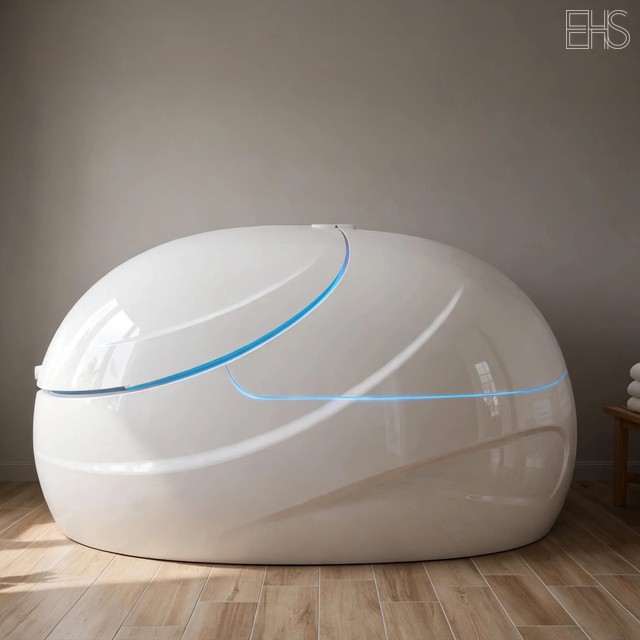
What floating involves, the types of tanks suited to homes, what installation really requires, the honest evidence picture, and the costs beyond the purchase price. Floating is not for everyone, and neither is owning the equipment.

Two technologies, prices from $200 to $4,000 and beyond, and an evidence picture narrower than the brochures admit. This guide explains what the specifications mean, where the evidence stands, and how to choose.

How percussive devices work, the tiers on the market, what specifications actually matter, and where the honest limits of the category lie.

A full-body mat from an established brand can cost as much as a used car, while lookalikes sell for a tenth. This guide explains what pulsed electromagnetic field devices are, what the specifications mean, where the evidence stands, and how to think about the purchase.
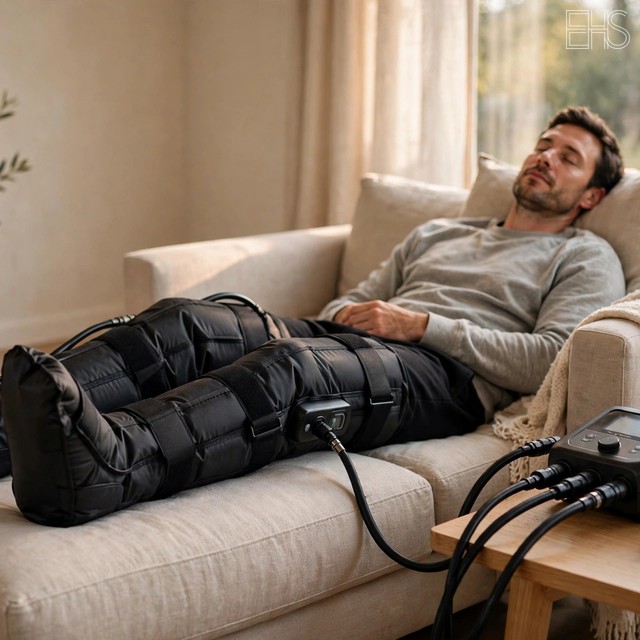
Pull on inflatable leg sleeves, let them squeeze in waves, and walk away with legs that feel fresher. This guide covers what the boots actually do, the tiers on the market, what to compare before buying, and what realistic expectations look like.
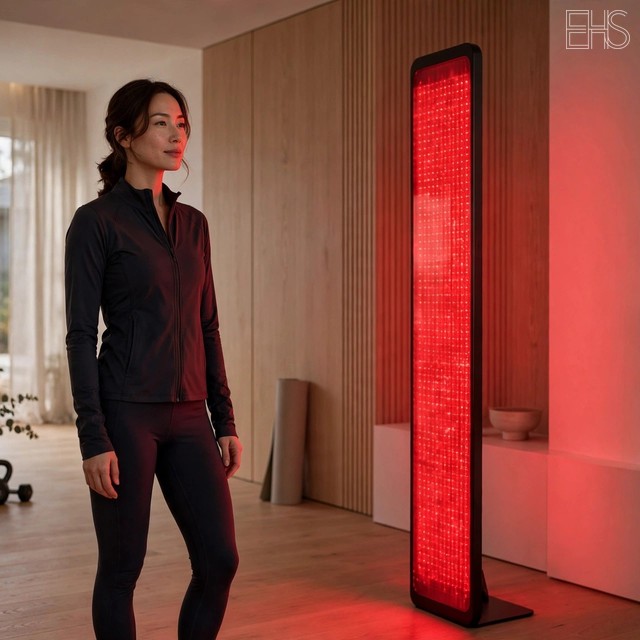
Panels from $100 to $5,000+, marketing well ahead of evidence — what to compare, what results are realistic, and where the safety lines are.

Timed rounds of heat and cold, structured properly — protocols, temperatures, and setups from shower-only to full sauna and plunge.

At-home hyperbaric chambers promise a lot. Here's what the categories mean and what ownership really costs.